
Islas Inutiles: The Spanish Colonial Era on Aruba
Arrival of Alonso de Ojeda in Aruba (1499)
T’was the year of our lord 1499, the 9th of August to be exact… when Alonso de Ojeda, a Conquistador from Torrenjoncillo del Rey, Cuencas, Castille de la Mancha (that’s a mouthful), set foot on these shores.

On 6 June 1508 the king of Spain appointed De Ojeda as governor of Nueva Andalucía, which included the three islands of Aruba, Bonaire, and Curaçao.
The Mission of Expansion, Faith, and Exploration
A noble, minor in stature and status, skilled with the blade and of great military prowess, accompanied by pilot and cartographer Juan de la Cosa and the Italian navigator Amerigo Vespucci were tasked through the minor or Andalucian journeys to expand the recently established Spanish Catholic monarchy throughout the “New World.”
The reason for their voyage to this hemisphere was as mentioned: empire expansion, propagation of the Catholic faith, as well as charting a map of the new world and securing wealth & resources for the newly formed Spanish monarchy and its allies.
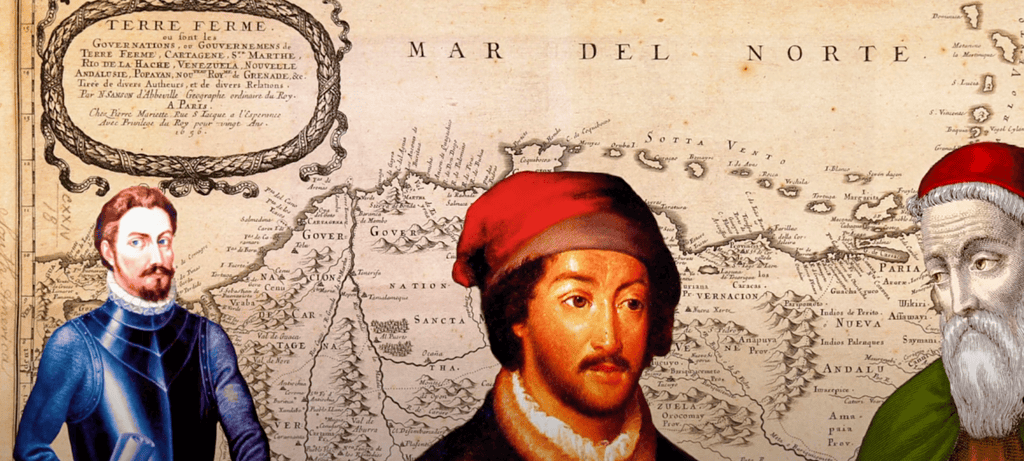
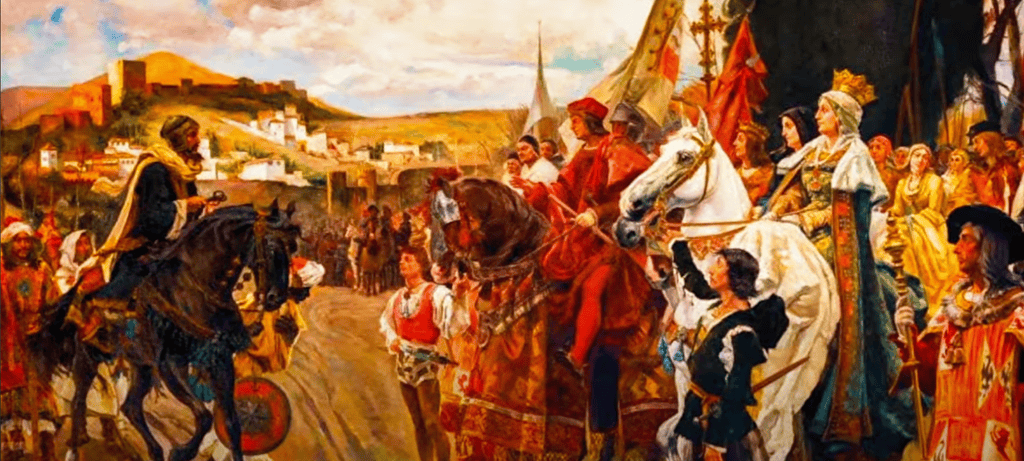
The Iberian kingdoms of Castile and Aragon (Catholic) joined forces via Royal Marriage in 1469 and had recently (1492) ousted the Moors of the waning Umayyad Caliphate (Islam), thus bringing the Reconquista of Al-Andalus or Andalucia to an end.
The “Islas Inútiles”: Aruba, Bonaire, and Curaçao
The latter was a complete and utter failure, for no gold or other lucrative exploitable resource was found. Frustrated with this, the Spanish coined the term Islas Inútiles for Aruba and its sister islands Bonaire and Curaçao. Islas Inútiles translates to “Useless Islands.”
Catholicism and Spanish Influence on Aruba
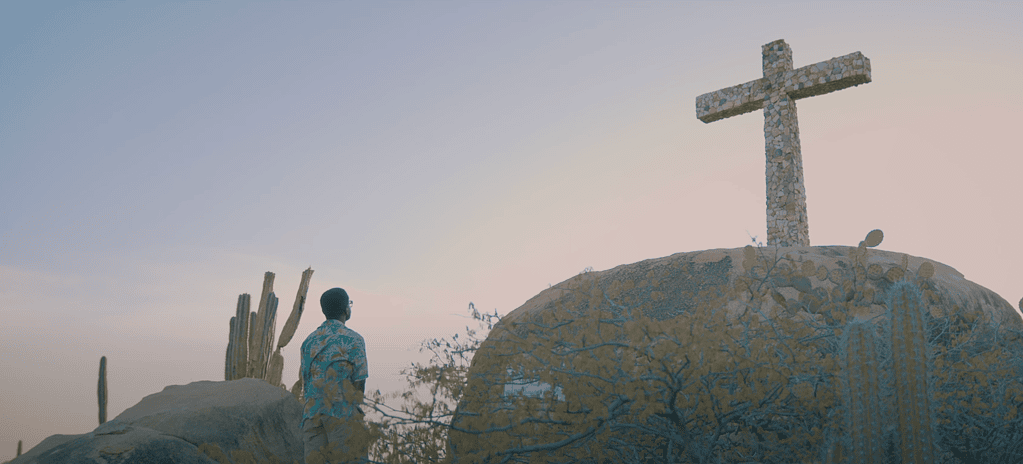
However, the Spanish were successful in propagating the Catholic faith, as Aruba is today 80% Catholic. They kicked off the influx of livestock, and furthermore introduced Spanish — one of the four languages we cry in as we are slapped on the bum at birth.
By now, you might be wondering: but Beach, was the island uninhabited when the Spanish arrived?
The Caquetio: Indigenous People of Aruba
Well young Padawan, the answer is a resounding NO. The Island was inhabited by the Caquetio — the main indigenous population living on Aruba from 1000 AD till around… well, the early 1500’s. The interaction between the Spanish and the Caquetio initially went as well as you could predict. The conquistadors were accompanied by missionaries who would spread the faith.
To ease the process of conversion and facilitate communication, the mission would incorporate a baptized indigenous guide, either a member of, friend, or ally to the Caquetio.
Deportation of the Caquetio (1515)
In 1515 the conquistador Diego Salazar rounded up all the Caquetio from Aruba, Bonaire, and Curaçao (numbering about 2000 in total) and sent them to Hispaniola, presumably to work in the copper mines and brazilwood plantations as slaves. The islands were deserted for 11 years.
Repopulation by Juan de Ampues (1526)
Until 1526, when Juan de Ampues, the governor and founder of what today is the province of Coro, Venezuela, repopulated the islands with Indigenous people and livestock from Hispaniola and the mainland, primarily from the Coro region.
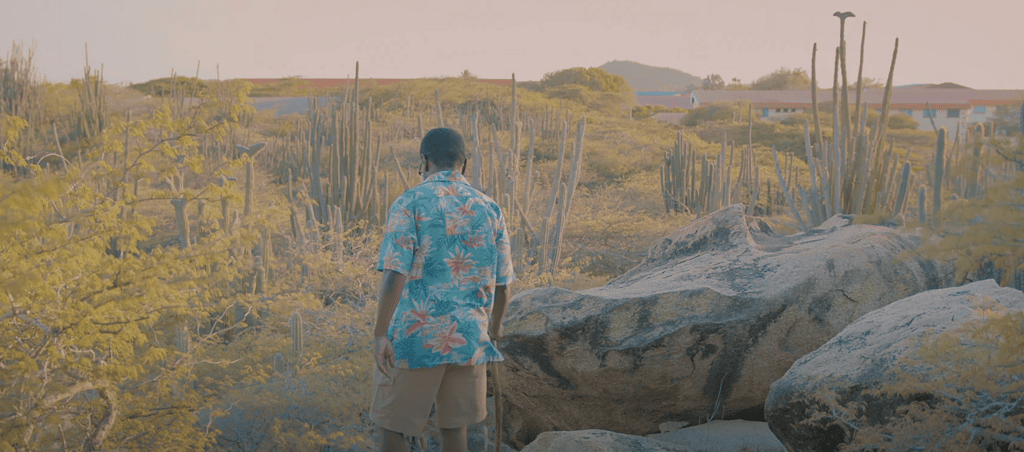
In 1515 the conquistador Diego Salazar rounded up all the Caquetio from Aruba, Bonaire, and Curacao (about 2000 in total) and sent them to Hispaniola to work in copper mines and brazilwood plantations as slaves. The islands were deserted for 11 years. Until 1526 when Juan de Ampues repopulated the islands with Indigenous people and livestock from Hispaniola and Coro.
Spanish Colonial Legacy in Aruba
Because the Spanish categorized the islands as useless islands, there wasn’t much development during the 137 years of Spanish Colonial rule, apart from the propagation of the Catholic faith and the influence on the names of districts and neighborhoods such as Mira lamar, San Nicolas, San Fuego, Santa Cruz — and the list goes on and on.
The End of Spanish Rule (1636)
The Spanish had control over these islands until 1636, when they lost these territories to the Dutch Republic towards the end of the 30- and 80-years war.
Nigel Maduro: Mester adresa problema di masa turismo pa Aruba
~ February 5, 2026
Masa turismo – kico esaki ta y esaki ta algo cu por caba cu Aruba? Masa turismo ta sosode na momento cu un cantidad grandi…

Nos a hera perde otro hende pa via di negligencia medico!
~ February 3, 2026
Negligencia medico riba Aruba ta un tema, wel, fastioso. Jasun Fun, conoci pa su aventuranan den loke ta mundo di drifting, como tambe den cushina…

Kinsasha: Mester un ‘Environmental Impact Assessment (EIA)’ prome cu sigui desaroya Agri Innovation Park
~ January 29, 2026
Agri Innovation Park, b’a scucha di dje? Ta un cos nobo ey cu gobierno di Aruba hunto cu algun partners di Hulanda kier introduci pa…