

Alto Vista: The Cradle of Arubian Catholicism
Freedom of Religion in Aruba
Aruba is an autonomous representative democracy within a constitutional monarchy and as such every citizen has the freedom of religion, among other rights.
Although the island is 80% Catholic, there are about 50+ different religions, denominations, and beliefs. The establishment of Catholicism as a predominant religion stems from the arrival of the Spanish settlers towards the end of the 15th century.
The Spanish Influence and Missionary Work
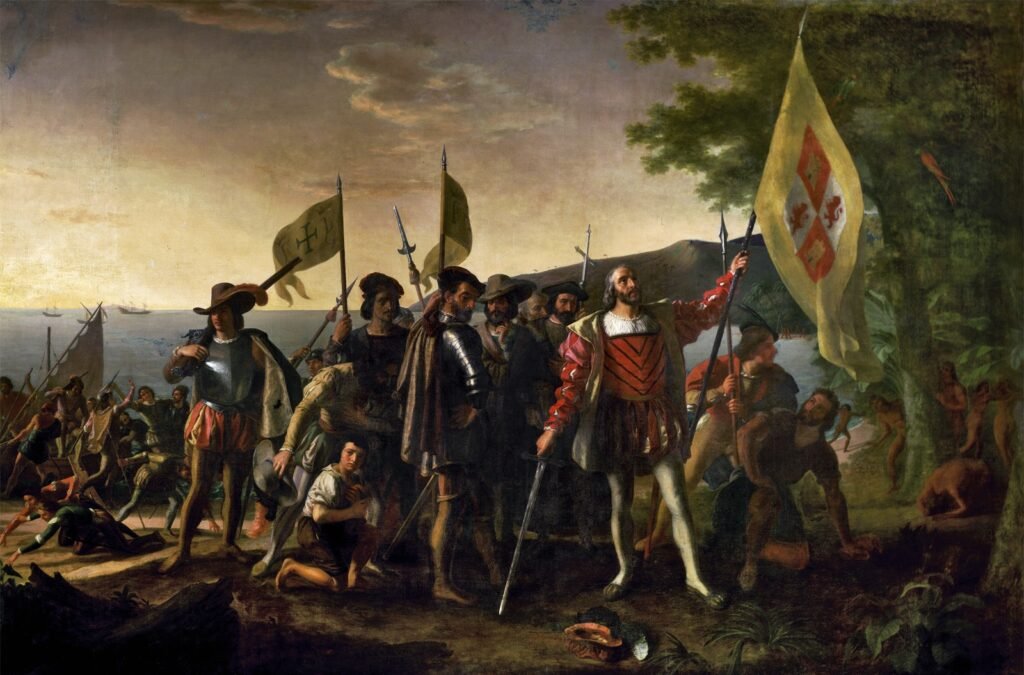
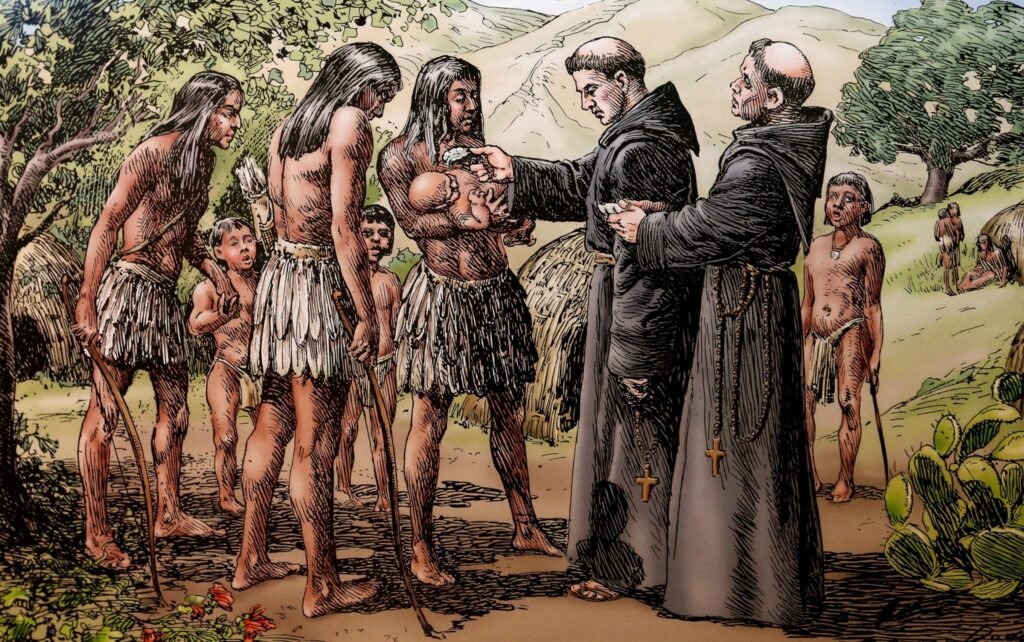
The conquistadors were accompanied by missionaries who would spread the faith and convert the indigenous populous. As they conquered land in the name of the Spanish empire, to ease the process of conversion and facilitate communication, the mission would also incorporate a baptized indigenous guide, either a member of, friend, or ally to the Caquetio—the main indigenous population living on Aruba from 1000 AD until around the early 1500s.
A frequently asked question on tour is: if Aruba is part of the Dutch Kingdom, how did Catholicism become the main faith and not Protestantism? Long story short, by the time the Dutch arrived in 1636, the Spanish had already held position of the island in one way, shape, or form for 135 years, giving the Catholic faith ample time to propagate and find stable footing amongst the island’s indigenous and Spanish creole inhabitants.
Welcome to the Alto Vista Chapel
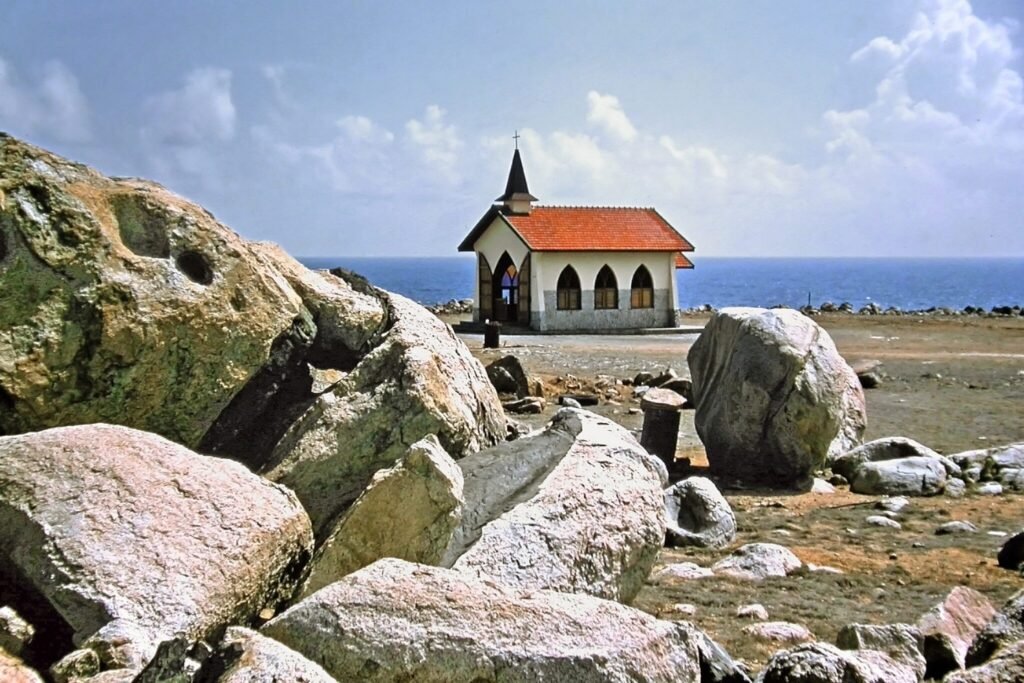
Now that we’ve got that out of the way, ladies and gentlemen, I would like to welcome you to the Alto Vista Chapel. Nestled on the northern shore of the island, isolated but easily accessible, Alto Vista Chapel lays watch over the coast that touches the Caribbean Sea.
The chapel and its surrounding area is pristine and mystical, festooned with cacti and boulders murmuring about days past and days to come. It’s a place where one can take the time to forget about time, escape from the grind, in moments of serenity to reflect, meditate, pray, or just be. According to research, there was a small Caquetio village surrounding the vicinity of Alto Vista Hill.
Origins of the Alto Vista Chapel
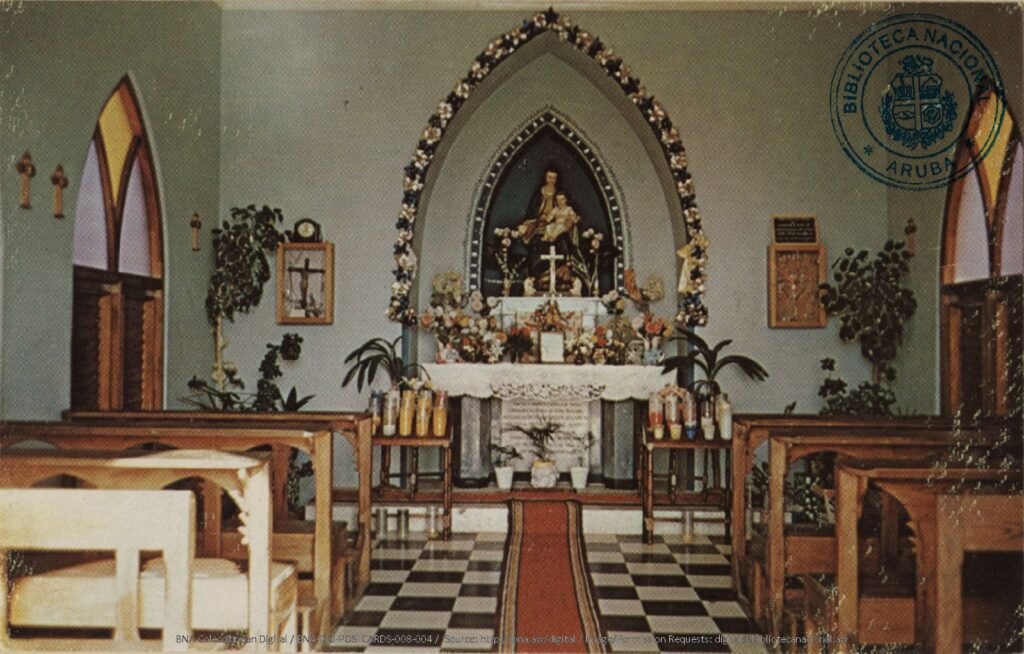
Legend has it that the place where the chapel now stands was sacred and was used for rituals and ancient traditions now long forgotten. Records of the official date of the chapel’s construction are hazy, but we do know it was consecrated on April 20th, 1750 as the Chapel of Our Lady of the Holy Rosary. It was built by Domingo Antonio Silvestre on what was then part of his property. The original structure was presumably made from limestone topped with a maize stalk roof.
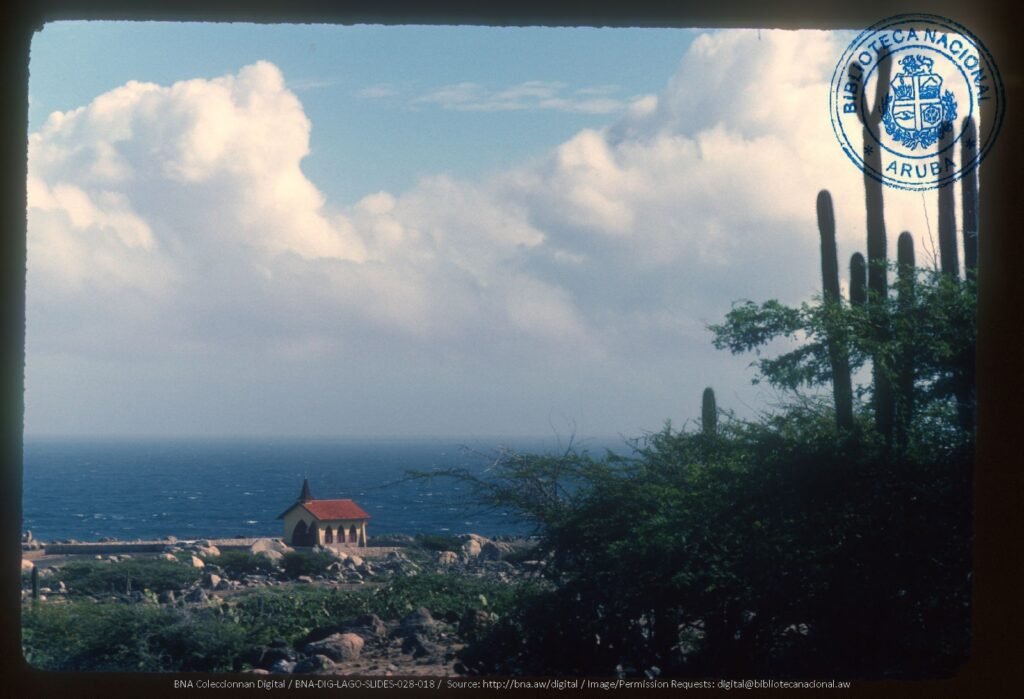
Not much is known about Domingo, only that he came from Venezuela and lived in Alto Vista. Guided by his piety and love for the faith, he took it upon himself to build a place of worship, where the ever-growing congregation—mostly of the indigenous persuasion—would gather for catechism and to say the rosary.
The Alto Vista Chapel: Cradle of Catholicism
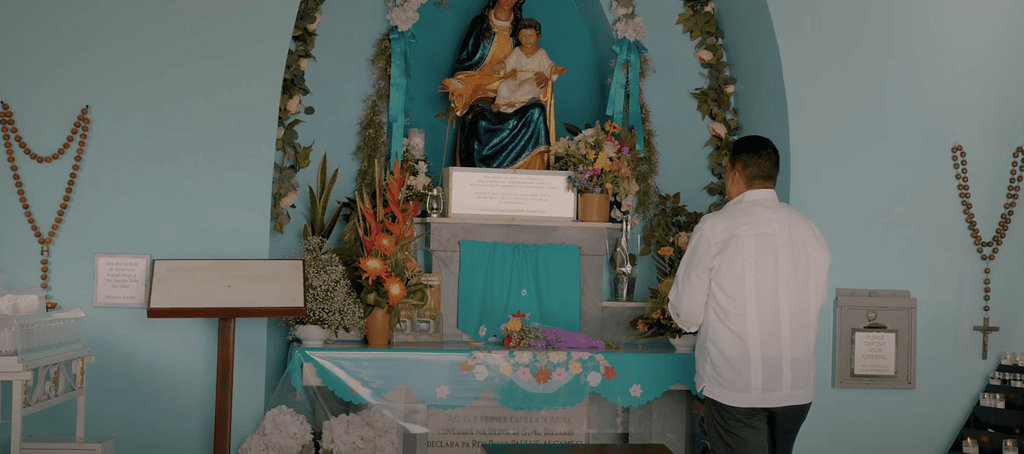
It was a place where missionary priests from the mainland could give mass, baptize converts by choice rather than persuasion, perform the sacraments of confirmation and marriage, and propagate the doctrine of Christ’s universal church. All in all, the cradle of Arubian Catholicism.
There is a common misconception, even among locals, that the current Alto Vista Chapel is the oldest religious building. This is not true.
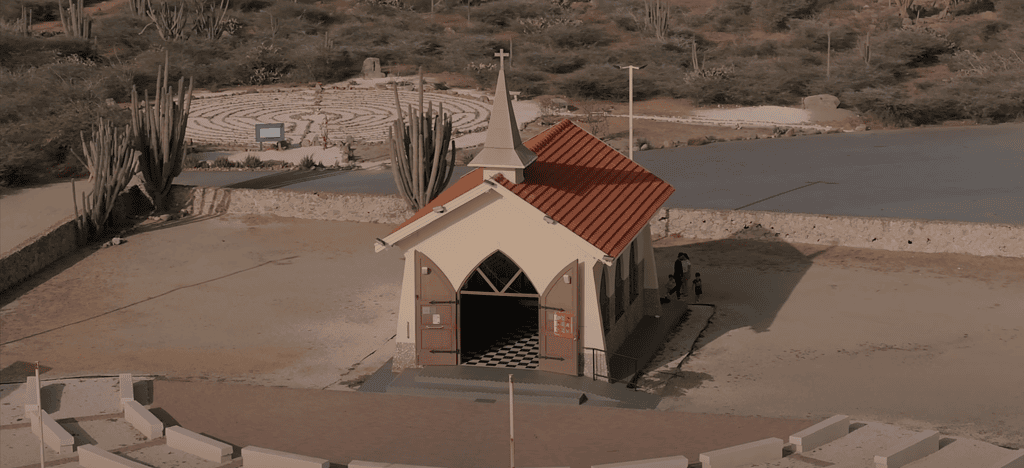
The current edifice is a renovation built where the old chapel used to stand. It was erected and consecrated in 1952. The oldest religious building is actually the Church on the Bay in Playa, commonly known as Kerki Protestant or Kerki 1846.
Alto Vista Today
If you’re wondering, the chapel is still in use and has mass every Tuesday afternoon at 5 pm, and every first Saturday of the month at 7 am. Now before you freak out, the crosses that adorn the roadside on the way to the chapel represent the 14 stations of the passion of Jesus Christ, commonly known as The Way of The Cross—a step-by-step reenactment of Jesus’s conviction, crucifixion, and death.
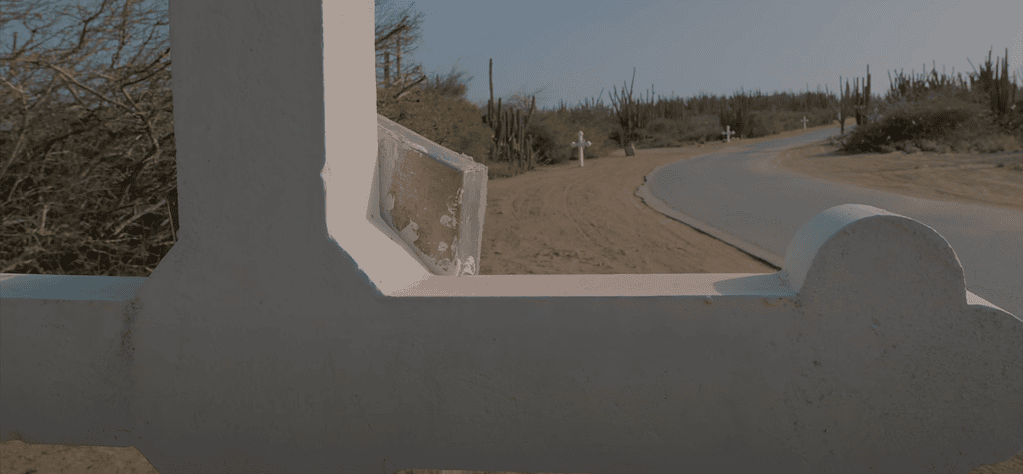
Traditionally, in the early hours of Good Friday, devout patrons would venture via procession to Alto Vista and walk The Way of the Cross. The tour guide must be honest and mention that the chapel is actually not an attraction, even though it has been marketed as such for the past 60 years.
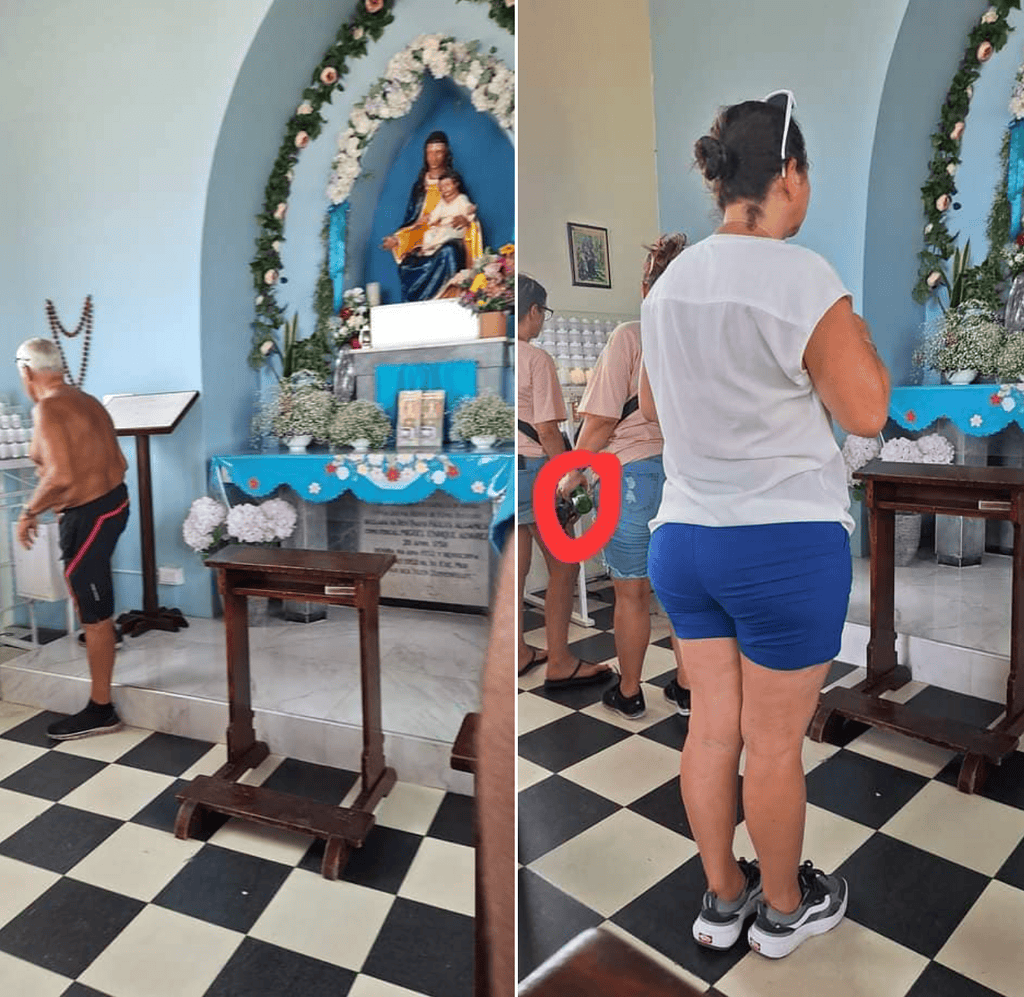
It is, as stated earlier, a place of serenity to reflect, meditate, pray, or just be. So that’s why whenever you visit Alto Vista, keep your decibel levels low, dress appropriately, leave those beer bottles in the jug, and act respectfully.
Closing Thoughts
I hope you enjoyed the tour. As always… once a guest, always a friend.
BROUGHT TO YOU BY


Con hopi bo sa tocante historia di sclavitud na Aruba?
~ March 5, 2026
Pa loke ta e historia di sclavitud na Aruba, tin hende ta kere cu Aruba no a hunga un rol asina grandi den esaki, otronan…

Docente a lansa plataforma digital ‘Wiskunde Aruba’
~ March 2, 2026
Docente, Leandra Dijkhoff a caba di hiba Aruba sikiera algun aña mas dilanti cu lansamento di su plataforma digital Wiskunde Aruba, cual ta wiskundearuba.com. Danki…

Aruba’s Art Impact: The Documentary
~ February 26, 2026
Aruba’s art impact is developing, leading the way for many interesting developments. As the island strengthens its Orange Economy (Creative Economy), the creative sector is…