
What makes Aruba’s Carnival more than just a party?
When people search for Aruba’s Carnival, they’re often looking for more than parade dates and costumes. They’re searching for meaning — for history, rhythm, and the soul behind Aruba’s most iconic celebration. In this episode of Sly N Snide Tour Guide, we explore how Aruba’s Carnival came to be: a festival shaped by migration, music, resistance, and community. What emerged wasn’t borrowed tradition — it was something uniquely Aruban.
When planning your trip, make sure you experience Aruba’s Carnival, as it offers a glimpse into the island’s vibrant culture.
Join us as we dive deeper into the vibrant rhythms and colorful costumes of Aruba’s Carnival, an experience that captivates everyone who participates.
As we delve into the essence of Aruba’s Carnival, it’s essential to recognize the communal spirit that energizes this celebration.
Ultimately, experiencing Aruba’s Carnival firsthand allows visitors to truly appreciate the island’s diverse cultural expressions.
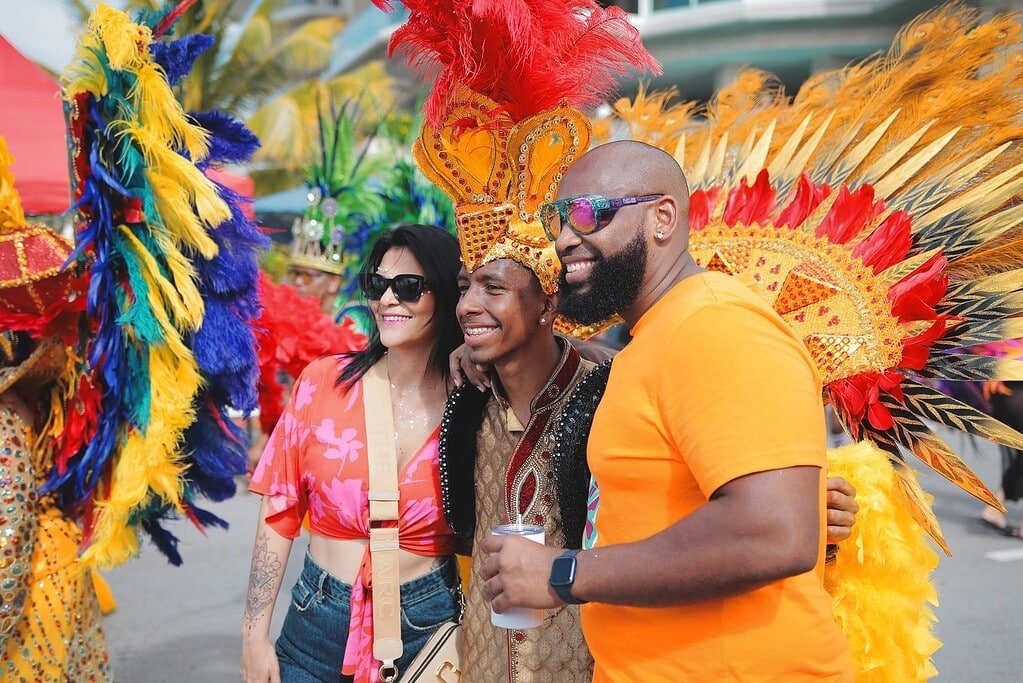
From “Farewell to the Flesh” to Caribbean Freedom
The festival of Aruba’s Carnival is a celebration of life, where community spirit shines through every beat of the drum.
The roots of Aruba’s Carnival stretch back to Southern Europe, where Carnival was tied to Roman Catholic traditions marking the final celebration before Lent — literally meaning “farewell to the flesh.”
In a nutshell, Aruba’s Carnival signifies resilience, joy, and the essence of what it means to be Aruban.
This vibrant blend is what makes Aruba’s Carnival a unique cultural phenomenon.
Aruba’s Carnival is more than just an event; it’s a celebration of the island’s heritage and community.
As these traditions traveled across the Atlantic, they encountered new realities in the Caribbean. Here, Carnival evolved beyond religion into a cultural expression — blending African rhythms, Indigenous influences, and Caribbean storytelling into something vibrant, rebellious, and communal.
Embrace the spirit of Aruba’s Carnival as it brings together friends and families to celebrate unity and tradition.
A Creole Festival: How Aruba’s Carnival Took Its Own Shape
Carnival in the Caribbean is often described as creolized, and Aruba Carnival is a perfect example.
Think of it like a stoba — a rich soup of ingredients:
- European pageantry (princes, queens, jesters)
- African drum rhythms and call-and-response
- Indigenous and South American influences
- Caribbean satire, humor, and social critique
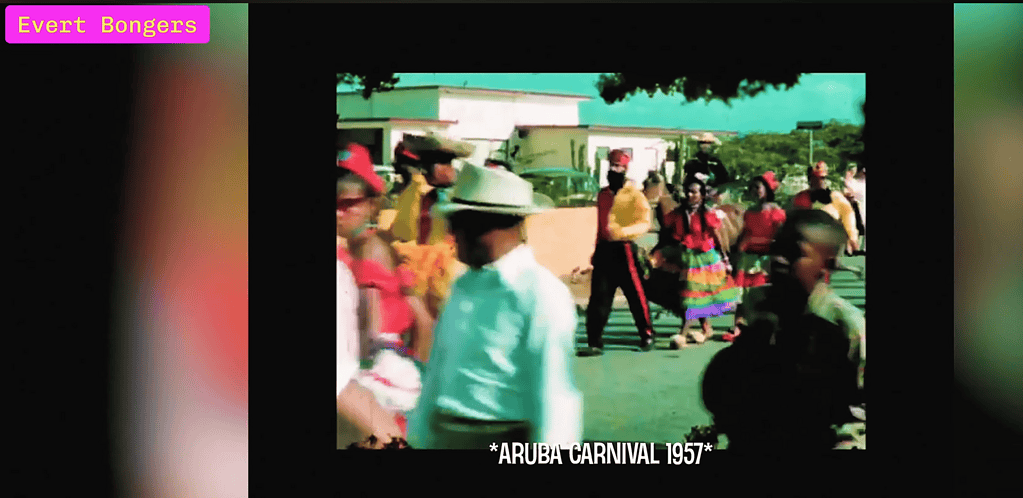
While Aruba officially marks 1954 as the start of its organized public Carnival, celebrations existed long before — in private clubs, community spaces, and informal gatherings across the island.
Together, these influences formed the Carnival that Aruba celebrates today. Nice, ehh?
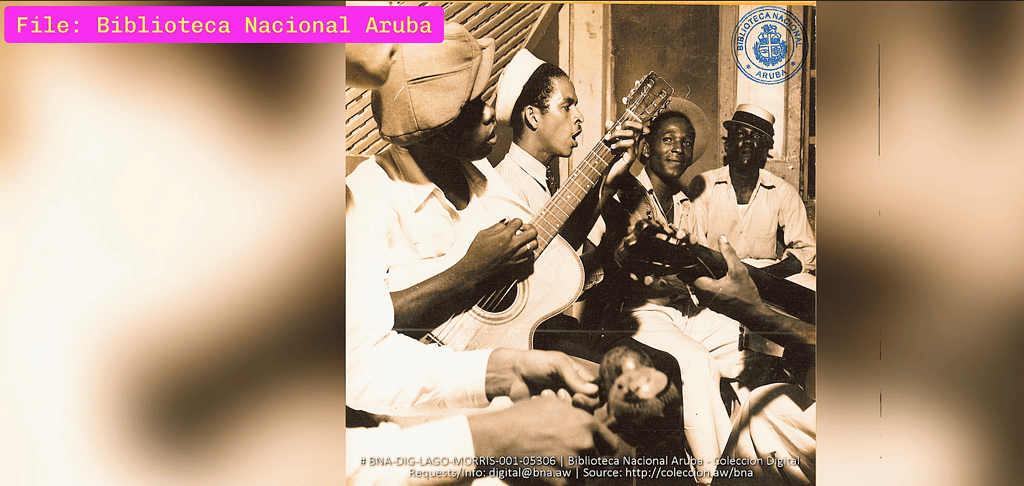
San Nicolas: The Cultural Engine of Aruba’s Carnival
To understand Aruba’s Carnival, you have to understand San Nicolas. The rise of the Lago Oil Refinery in the early 20th century brought waves of Caribbean migrants to Aruba — particularly from English-speaking islands. With them came traditions, languages, and music that would permanently shape Carnival culture.
The cultural influences that converge during Aruba’s Carnival truly reflect the island’s rich history.
San Nicolas became the birthplace of:
- Afro-Caribbean Carnival expressions
- J’ouvert-style celebrations
- Street-based music and performance traditions
Even today, Sunrise City remains one of the strongest cultural anchors of Aruba Carnival.
Calypso: The “Poor Man’s Newspaper” of Carnival
No discussion of Aruba’s Carnival is complete without acknowledging its deep cultural roots and vibrant expressions.
Originating in Trinidad and Tobago, calypso is over a century old and was born from resistance — a way for enslaved and marginalized people to express truth, critique power, and preserve identity through music.
In Aruba, calypso became:
- A voice for social commentary
- A tool for satire and double entendre
- A bridge between communities
Its faster offspring, soca, brought the energy that fuels today’s road marches and jump-ups.
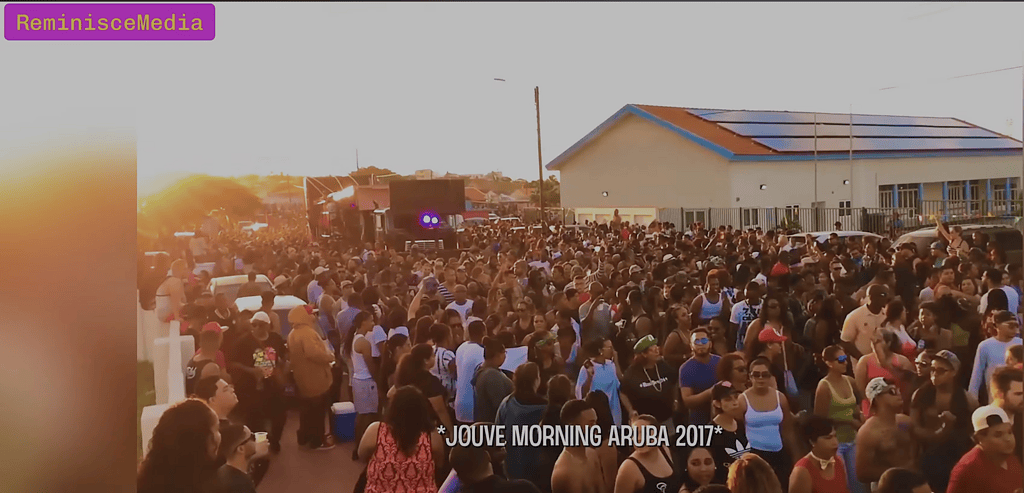
Road March Music and the Sound of the Streets
In Aruba, Carnival music is often simply called road march — the sound that moves the crowd forward.
What makes Aruban calypso and soca unique is its multilingual nature. Lyrics often blend:
- English
- Papiamento
- Spanish
- Dutch
This reflects Aruba itself — an island where language, culture, and identity flow seamlessly together.
Why Aruba’s Carnival Belongs to Everyone
One of the most powerful ideas explored in this episode is that no single group owns Aruba Carnival.
Everyone has a spoon in the pot.
Everyone has a piece of the story.
Ultimately, Aruba’s Carnival invites everyone to partake in its rich tapestry of music, dance, and celebration.
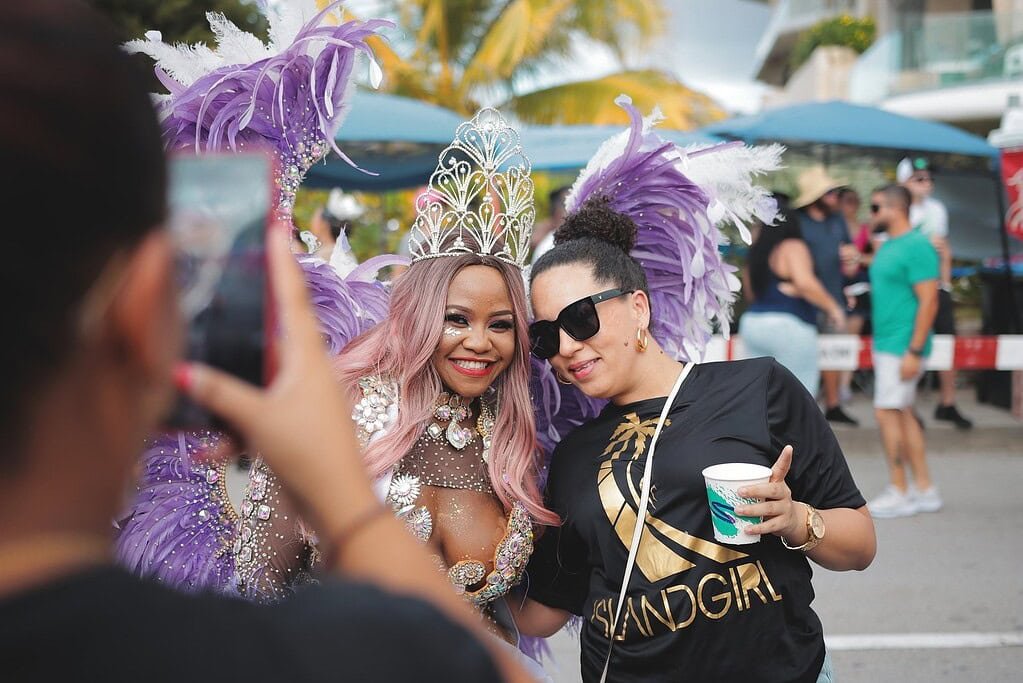
A Living History in Motion
Aruba Carnival isn’t frozen in the past — it’s alive, evolving, and deeply connected to the people who celebrate it.
It is:
- History you can dance to
- Culture you can hear
- Identity you can feel in the streets
And as Sly N Snide Tour Guide reminds us, Carnival isn’t just about spectacle — it’s about who we are, where we come from, and how we move forward together. Participating in Aruba’s Carnival connects you with the rich traditions that define the island!
This episode is brought to you by:

Pueblo ta perdiendo confiansa den palabra bunita di politico?
~ January 26, 2026
E contesta? Si. Pueblo ta perdiendo confiansa den palabra bunita di politico, pa gran mayoria, y pa algun tempo caba. Nos por lag’e te eynan…

Evento Calypso Heritage ta celebra 10 aña educando comunidad di Aruba
~ January 24, 2026
Nos a yega di entrevista Gregory Richardson, un biblioteca riba su mes den loke ta e tema di Calypso y carnaval den su totalidad, e…

Abo ta bay carnaval cu baby of mucha chikito?
~ January 23, 2026
Ah, ki dushi ta carnaval. Pero carnaval no ta asina dushi ora cu bo ta mira cierto cosnan cu tin biaha ta medio pone bo…